
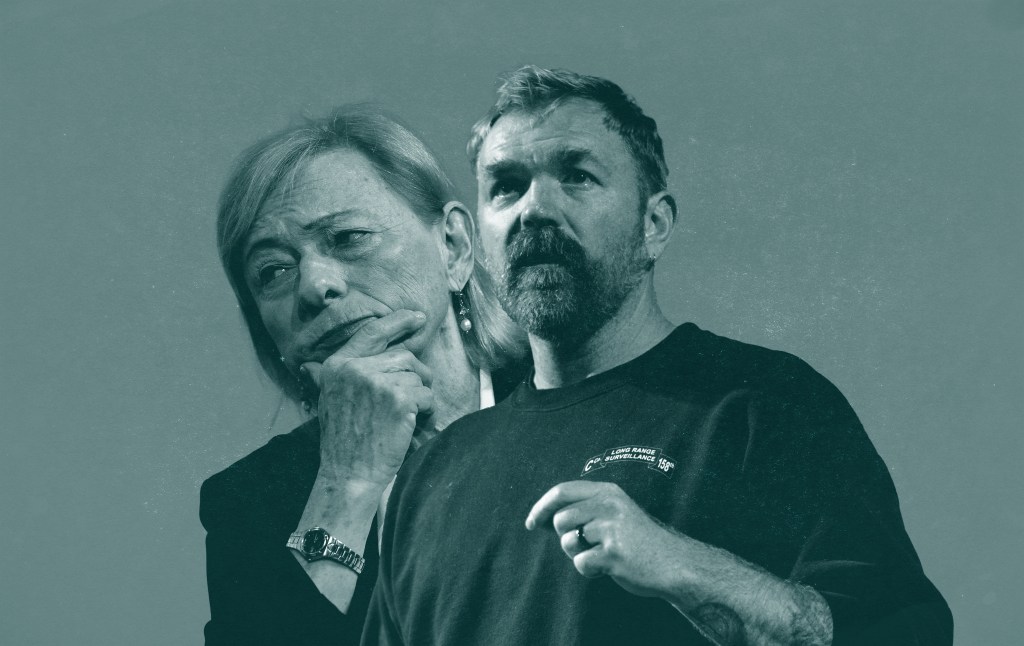
The governor of Maine launched into the state’s Senate race half a year ago armed with ubiquitous name recognition, the blessing of the national Democratic establishment, and a pristine reputation for electability.
She exited the race this morning, strapped for cash and trailing—way behind—in the polls. In the end, she proved no match for a younger, insurgent progressive chud about half her age, who is best known beyond Maine for once sporting a Nazi tattoo.
That development seems weighty, disheartening, and all too familiar.
Watching Governor Janet Mills’ campaign collapse in Maine evokes the Tea Party era of 2010. Enraged at a president they loathed and convinced the voters shared their sentiment, Republicans placed multiple uncompromising, hard-right contenders on the Senate ballot that year—even in places not typically inclined to elect Goldwater-type figures.
The price was steep. Sharron Angle squandered a winnable contest against Harry Reid in Nevada’s purple-tinged battleground, and Christine “I’m not a witch” O’Donnell was crushed in Delaware—blue as can be—after toppling moderate Republican Rep. Mike Castle in the primary.
Now, more than fifteen years on, O’Donnell’s upset over Castle stands as a well-known warning about primary voters elevating a favored but unelectable candidate over a palatable, electable alternative. If Susan Collins beats Graham Platner—the same chud referenced earlier—in Maine’s statewide race this autumn, many tellings of the result will blame Democratic primary voters for not heeding that lesson.
“They let their animosity toward Trump blind them to political reality,” pundits will claim. “Maine tilts toward blue, but not so blue that a vocal leftist could topple a dependable centrist like Collins.” The Collins–Platner contest is expected to function as a litmus test for whether a progressive can prevail in a purple state.
But is that assessment accurate?
Is Mills genuinely more electable than Platner in a national climate similar to today’s? And was it truly a progressive Tea Party figure who derailed her, or did she stumble because of more ordinary political obstacles?