
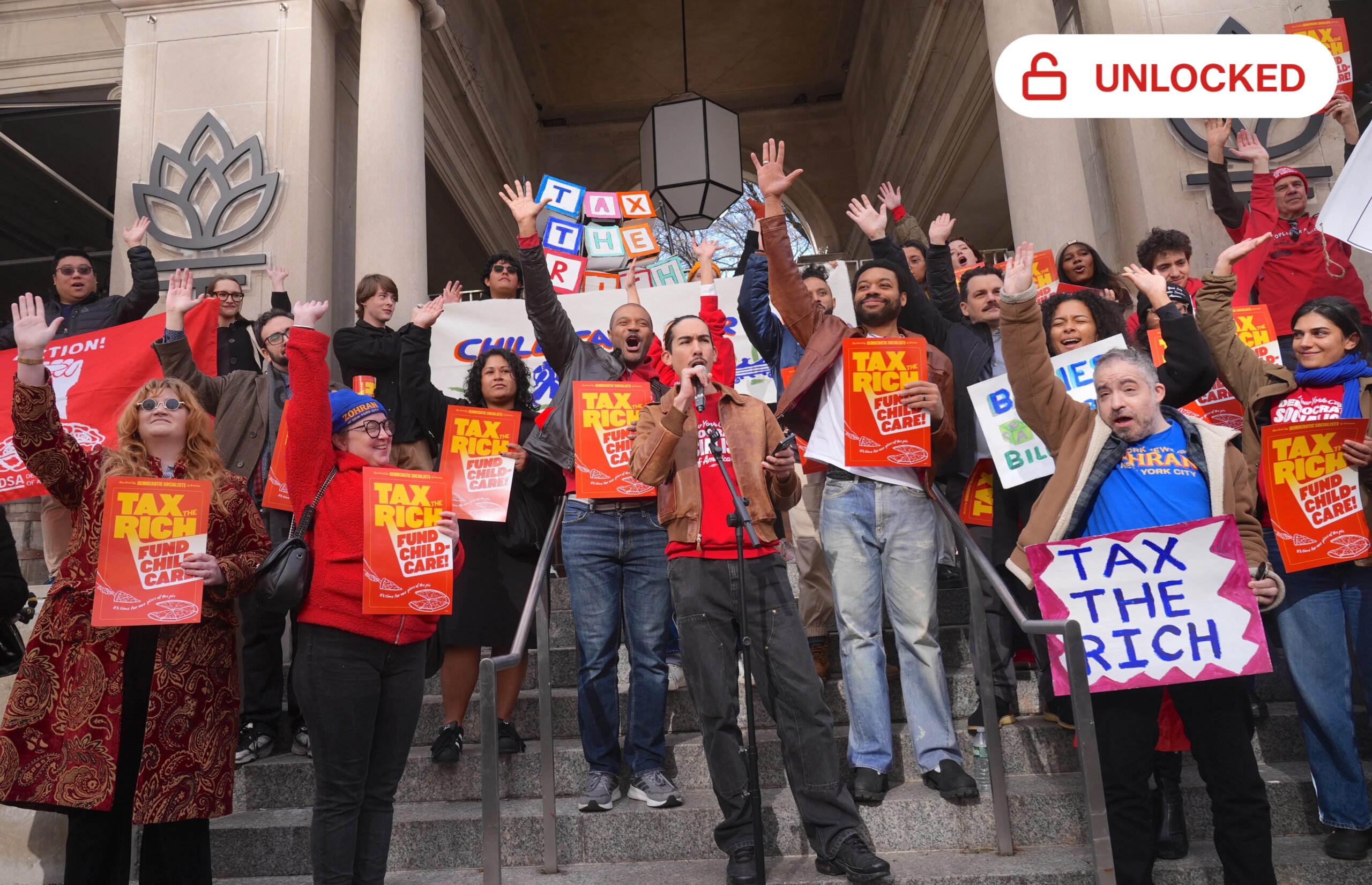
The Democratic Socialists of America are amid a notable surge. By July, the group surpassed 120,000 members, eclipsing the Eugene Debs-era Socialist Party of the early 20th century to become the largest socialist organization in American history. New York City Mayor Zohran Mamdani is a democratic socialist, and DSA candidates secured a number of primary wins over the summer. The DSA’s ascent is frequently attributed to factors like inequality, grievance, or ambition. Yet critics point out that many DSA members are highly educated or hail from affluent families, suggesting that other forces may be at work.
People pursue more than just incomes. They strive for reputation, esteem, influence, and rank. The economist Fred Hirsch labeled such goods as “positional” in his Social Limits to Growth (1976). Additional food, housing, or energy can improve many lives simultaneously. Status, however, operates differently. Merely increasing the number of titles within a single hierarchy does not generate more prestige, because the relative position within any given ladder is effectively a zero-sum game.
Joseph Schumpeter identified a related dilemma in Capitalism, Socialism and Democracy (1942). He argued that prosperous societies would educate more people than established prestige systems could absorb. Many would attain the education and expectations associated with elite roles without actually securing them. Some, he suspected, would respond by turning against the source of that prosperity—the free-market system. Schumpeter’s forecast has aged quite well.
Status competition becomes most consequential when many individuals rely on the same hierarchy for recognition, earnings, or professional identity, particularly when alternatives are scarce and exiting is costly.
Academia furnishes a clear illustration of this mechanism. Scholars compete for jobs, tenure, publications, grants, and recognition within the same institutional framework. Years of specialized training can make leaving the field difficult. A scholar who has spent a decade developing specialized skills may find few opportunities to secure comparable income and status elsewhere.
Relative advantage can be pursued by either strengthening one’s own position or diminishing the standing or opportunities of rivals. The former may involve producing research, teaching, or discoveries. The latter can entail challenging a rival’s competence or eligibility for membership without delivering an equivalent intellectual contribution. This does not imply that criticism is illegitimate or that every dispute is driven by status. Ideological disagreements can be sincere, and institutions require mechanisms to detect error and misconduct. The narrower point is that institutional arrangements shape incentives. When a single hierarchy controls a large share of available rewards, the payoff from influencing membership and advancement within it grows correspondingly.
For much of the 20th century, journalism operated in a similar fashion. A small cadre of newspapers, magazines, and television networks controlled access to national audiences. Losing a position at a major publication could mean losing both earnings and public visibility.
The internet transformed that dynamic. Journalists and commentators can now reach audiences through newsletters, podcasts, YouTube, and other platforms. A writer rejected by a newspaper can publish directly on Substack or a personal site and promote work via social media. A broadcaster without a network contract can still reach millions on X or YouTube. The fight for status remains vigorous, and arguably harsher, but failure within one hierarchy no longer determines a person’s prospects in other arenas.
Academia is starting to experience a parallel shift. Scholars can address readers through subscription services, podcasts, and online lectures. Preprint servers let research circulate before journal approval. Private laboratories and research institutes offer employment outside traditional departments. Organizations such as Arcadia Science and the Arc Institute are experimenting with funding scientists based on pursuing promising questions rather than rigid project proposals, providing multi-year support to follow intriguing lines of inquiry without the constraints of predefined deliverables.
Alternative teaching institutions are also emerging beyond legacy university systems. The University of Austin—founded as an independent, tenure-free institution dedicated to open inquiry—enrolled its first undergraduate cohort in 2024. Meanwhile, Peterson Academy bypasses campus infrastructure altogether, offering low-cost, recorded university-level courses that have attracted more than 80,000 subscribers. These institutions remain small, but they do not need to replace established universities to matter. They only need to offer credible alternatives for some students, teachers, or scholars.
Those alternatives remain incomplete. Scientific research often requires laboratories, equipment, teams, and funding that individuals cannot access or provide on their own. Credentials still matter in medicine, law, and other professions. Capital requirements and network effects can also concentrate opportunities.
Public policy can either reinforce or soften this concentration. When research funding, accreditation, licensing, or other forms of authorization channel people through the same institutions and evaluation systems, policy tends to strengthen shared hierarchies. Spreading authority among independent funders, accreditors, jurisdictions, and institutions can create more routes to advancement.
The aim should not be to erase hierarchy. Reputation conveys information. Organizations require ways to identify competence. Competition for recognition can spur effort and discovery. Relative rank cannot proliferate as freely as food or energy. The goal should be to multiply independent arenas in which people can succeed.
That is one reason why economic and technological dynamism matters beyond simply higher incomes. New firms, industries, technologies, and institutions create new occupations and new forms of achievement. The automobile gave rise to mechanics and highway engineers. Software spawned programmers and product managers. Each of these technologies built ladders that did not exist before.
Stagnation yields fewer such openings, and collectivist policies often tend toward stagnation, whether they come from the left or the right. Ambitious people must compete for a more fixed set of positions, making success or failure within existing institutions more consequential. A free-market economy does not erase the competition for status, but it provides more venues for competition.