
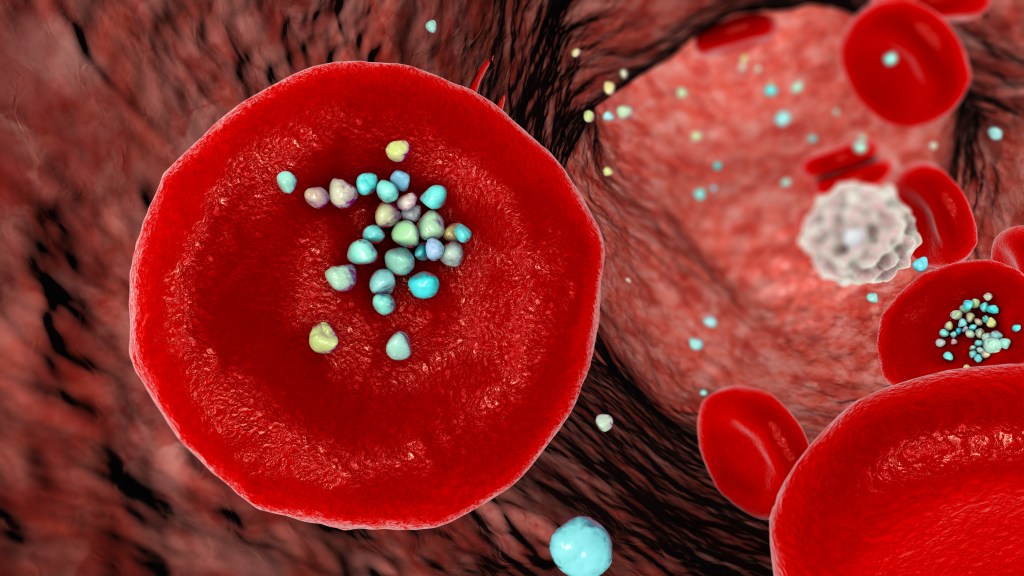
Over the last decade, a steady stream of studies has sounded the alarm about microplastics. A 2018 study found the tiny particles in human stool samples. In 2021, scientists found them in fetal placentas. The following years saw studies that detected them in the liver, lungs, blood, and arteries. 2025 marked a crescendo, with research discovering microplastic accumulation in the brain.
While many people once viewed plastics as primarily an environmental issue, the possibility that minuscule substances could inhabit the human body made the problem feel personal. Each new study triggered waves of news coverage highlighting risks and offering tips for reducing personal plastic exposure (or sometimes failing to). Fears about potential health effects continued to rise, aided by exaggerated or later discredited claims that people were ingesting a credit-card-sized amount of plastic every week. In March, Netflix released Plastic Detox, a documentary examining how plastic exposure could affect human fertility. Earlier this month, the Environmental Protection Agency (EPA) and Department of Health and Human Services (HHS) announced plans to investigate and scrutinize the consequences of microplastics.
Complicating matters further, a report earlier this year in the Guardian appeared to dampen some concerns, citing scientists who questioned the reliability of recent high-profile studies. Is this potential health threat simply alarmism—a microplastics panic running ahead of the science?
Researchers say much remains unknown about microplastics in the human body, but there is growing confidence that these particles are accumulating in people, even if the exact quantity of buildup is unclear. Experts anticipate that in the coming years we will gain far more insight into the specific roles microplastics play in health outcomes as research methods are refined and improved. Yet a broader question underpins the current discussion: does what we know justify not only more study but precautionary action in the meantime?
Most plastic materials resist natural degradation and instead fragment over time into smaller pieces: microplastics, generally defined as fragments smaller than 5 millimeters, and nanoplastics, under 1 micron—roughly 70 to 100 times smaller in diameter than a human hair. As plastic production surged over the past seven decades, minute plastic particles have saturated the globe—from the seabed to the highest peaks—and everywhere in between. People can ingest and inhale microplastics, and the chief worry is that some particles don’t simply pass through the body but accumulate in tissues and organs, potentially disrupting bodily functions or releasing harmful chemicals.
“The confidence level for human health signals—the field is still relatively young, but there is emerging evidence of cardiovascular, reproductive effects, [and] neurological hazards linked to micro- and nanoplastics and all the chemicals that accompany them,” Susanne Brander, the scientific director for the Pew Charitable Trusts’ Safer Chemicals project, told The Dispatch.
Researchers highlight substantial knowledge gaps regarding both microplastics’ presence in the body and their health impacts. Yet the present signals are worrying. A 2024 systematic review of microplastic research concluded that exposure to these particles is “suspected” to negatively affect reproductive, digestive, and respiratory health outcomes in people, though most of the analyzed evidence came from animal studies.
Animal studies are inherently imperfect indicators of human effects, but they are commonly used to help gauge the toxicity of other chemicals or contaminants. “The challenge with translating animal findings is that the microplastics used in those experiments may not reflect everyday exposures,” said Katie Pelch, a senior scientist at the Natural Resources Defense Council. “We have to do our best to estimate how that translates to human exposures.”
Matthew Campen runs a laboratory at the University of New Mexico that aims to generate more data on microplastics inside the human body. His team conducted the 2025 study that found plastics crossing the blood-brain barrier and increasing over time. The research compared brain tissue from people who died in 2024 with tissue from those who died in 2016, estimating that the 2024 samples contained nearly 50 percent higher levels of microplastics than the 2016 group. The findings sparked widespread media attention, suggesting total brain levels could be sufficient to craft a spoonful of plastic.
The Guardian report highlighted strong criticisms of Campen’s work by some researchers, who argued the study didn’t adequately account for how lipids in human tissue could generate false positives for polyethylene, the most commonly used plastic. Other scientists noted related concerns about measurement, contamination, and control factors in more than a dozen other studies detecting microplastics in the body.
The difficulty of accurate measurements.
Scientists have faced two primary obstacles in studying microplastics within the human body. First is the challenge of accurately measuring substances that are extremely small, and second is precisely determining how much of a substance is present when it exists everywhere, including on and inside laboratory and medical equipment. Both issues are heightened by the absence of established standards and guidance for this developing field. Campen acknowledged the research hurdles and that his study likely overestimated brain polyethylene levels. Yet the study also identified plastics that don’t carry the same false-positive risk, and it outlined how the methodology could lead to both over- and underestimation for various plastics.
“There’s certainly uncertainty still about the quantities measured,” Tracey Woodruff, a Stanford professor studying the environmental and health effects of microplastics, told The Dispatch. Woodruff co-authored the 2024 systematic review on health effects.*
Brander noted that researchers are still early in refining their methods, but the challenges do not negate the broader conclusion that microplastics are accumulating in the body. “Like any scientific field, you build on existing methods to arrive at higher-quality data,” she said. “The overarching message is that micro- and nanoplastics are gathering in our bodies.”
It remains a substantial leap from detecting microplastics in the body to proving a causal harm. “I’m still on the fence about whether these substances are causing harm,” Campen told The Dispatch, though he stressed that the rising particle levels are alarming.
Without a clear causal link between microplastics and adverse health outcomes, it’s possible that microplastics merely correlate with poorer health in some cases. For instance, a 2024 study of patients undergoing carotid plaque surgery found that those with microplastics in their plaque faced a 450 percent higher risk of stroke, heart attack, or death in the next three years than patients without detectable particles. Researchers who published a response to the study last month suggested micro- and nanoplastics could simply be markers of another high-risk lifestyle or environmental exposure, such as traffic-related air pollution or diets rich in processed foods.
Some scientists and advocates argue that the health signals grow stronger when considered alongside a broader body of evidence. There is well-established research linking exposure to the chemicals used to manufacture plastics—including so-called “forever chemicals”—to health harms and endocrine disruption even at very low levels. “On one hand, it’s important to understand how [micro- and nanoplastics] contribute on their own, but it’s also hard to separate them from the many other chemicals that travel with them,” Brander said.
Campen agreed that these chemicals have negative health effects, and plastic production accelerates their spread. But he cautioned against the notion that the smallest nanoplastic particles reaching organs like the brain act as carriers for chemicals, arguing that by the time plastics shrink to such tiny sizes, they have likely already released most of the toxicants.
More research versus immediate action.
Views on how to respond to micro- and nanoplastics split into at least two camps, both acknowledging a potential threat to health. One group emphasizes the current body of evidence and the long lifespan of plastics—to become microplastics only after decades—urging urgent reductions in exposure through individual efforts and government regulation.
“Plastic production is projected to triple by 2060,” Woodruff told The Dispatch. “It’s prudent to act now, because we indeed have signals of health harms, and we know plastics contain chemicals that can cause harm. If we wait for a perfectly defined health effect, we delay preventing future health impacts.”
Brander agreed: “Given the persistence of micro- and nanoplastics and other endocrine-disrupting chemicals, there is a clear need to curb exposure.” Pelch told The Dispatch that the difficulty of studying microplastics in humans underscores why delaying action is risky. “It’s already very hard to study microplastics in people, because microplastics are so common in our environment that there might not even be an unexposed population to compare,” she said.
A second camp argues that robust research should come first, or else there is a risk of drafting misguided regulations from weak evidence, losing public credibility, or adopting regrettable substitutes. “Given the potential public health impact of these ubiquitous … products, it is essential we know exactly what we are dealing with, how to quantify it, and how to be certain we aren’t chasing a signal shaped by contamination,” Nicolas Leeper, a Stanford cardiovascular medicine professor who challenged the artery study, told the Los Angeles Times last week.
The Trump administration has taken some steps toward more research and possible regulation. The EPA unveiled a proposal earlier this month to add microplastics and pharmaceuticals to a candidate list of drinking-water contaminants, a move that could eventually unlock extra research funding and potential regulation under the Safe Drinking Water Act—though observers noted this is only the initial step in a lengthy process toward possible regulation, which could take many years.
HHS also announced a program to develop technology to measure microplastics levels in water and in people, identify the most toxic contaminants, and devise “methods to remove microplastics from the human body.” The Advanced Research Projects Agency for Health will lead the $144 million initiative, called Systematic Targeting of Microplastics (STOMP). Yet the announcement was sparse on specifics, appearing more as a wishlist than a concrete plan.
“STOMP will accomplish in five years what the entire field has failed to achieve for decades,” said Alicia Jackson, the agency’s director. “We will establish a definitive shared scientific foundation, gold-standard measurement, mechanistic understanding and ultimately targeted removal, and place it in the hands of everyone who needs it.” She also pledged that STOMP would develop a clinical test capable of determining an individual’s microplastic burden in “under 15 minutes and under $50.”
Megan Wolff, executive director of P-SNAP, a physician-scientist group raising awareness about the health impacts of plastics, told The Dispatch she wasn’t hopeful the initiative would yield meaningful results given its expansive scope. “When it comes to removing microplastics from the human body,” she noted, “there isn’t even a theory on how to do that properly right now.”
Campen, who also spoke at the announcement, said he supported the administration’s steps as a positive move forward. He cautioned that rushing to regulate or ban microplastics immediately would be premature: “Research is still needed, and there’s much we must understand before making broad changes.” He added that policymakers should consider laying the groundwork for future action as the science on health effects matures.
“There is an opportunity to establish a regulatory framework now,” he stated, “which can then be adjusted depending on how the science evolves.”
Correction, April 13, 2026: This story has been updated to reflect the correct title of Tracey Woodruff.